
By the Know a Pro Team
Updated 10 Sept 20265 min read
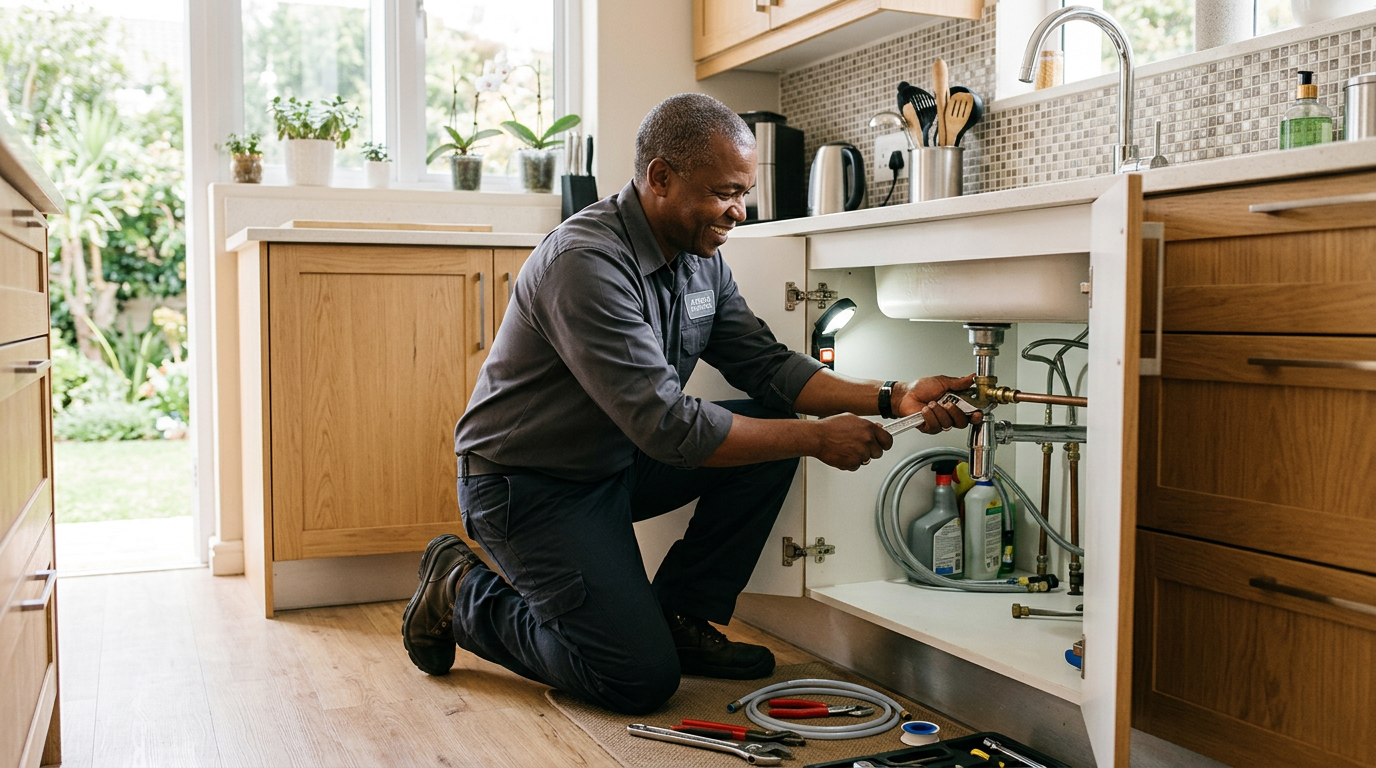
Something at home always seems to break at the worst possible time. A dripping tap. A blocked drain. A door that suddenly refuses to close properly.
Then comes the awkward question: what should this actually cost?
There isn't one standard price list for home repairs in South Africa. What you'll pay depends on where you live, the type of work, the professional you hire, the materials required and whether the job is urgent.
But having a rough idea of typical prices can make comparing quotes much easier.
What common home repairs can cost
Home-service professionals may charge a call-out fee, an hourly or daily rate, or quote a fixed amount for the entire job.
As a rough 2026 guide, you may encounter prices around these ranges:
| Job | Indicative price |
|---|---|
| Minor tap repair or replacement | R400–R950 |
| Clear a blocked drain | R650–R1,400 |
| Small general handyman job | From around R400 |
| General handyman labour | Roughly R300–R800 per hour |
| Door, lock or fitting repair | Often quoted per job |
| Painting a room | Usually quoted based on room size and preparation required |
| Geyser repair | Depends heavily on the fault and parts required |
| Geyser replacement | Often R7,000–R11,000+ depending on size, installation and location |
Important: These are broad market estimates, not prescribed rates. Quotes can fall outside these ranges, and materials, parts, VAT, call-out charges and after-hours fees may be charged separately.
For bigger jobs, the most useful number isn't necessarily the hourly rate — it's the total written quote.
Why can two quotes be completely different?
You ask two pros to look at the same job.
One quotes R700. The other quotes R1,300.
That doesn't automatically mean one is ripping you off.
A quote can change depending on:
- where you live and how far the pro needs to travel;
- whether there's a call-out or minimum charge;
- whether the work is urgent or after hours;
- how difficult the problem is to access;
- the parts and materials being used;
- the experience or specialist qualifications required; and
- whether additional work becomes apparent once the problem is properly inspected.
When comparing quotes, make sure you're comparing the same scope of work, not simply the number at the bottom.
What should I ask before saying yes?
For anything more than a very small job, ask for a written quote or estimate before work begins.
Check:
- What exactly is included?
- Are materials included?
- Is there a call-out fee?
- Is VAT included, where applicable?
- Could anything cause the price to increase?
- Is there a workmanship guarantee?
- When is payment expected?
- Does the work require a qualified or registered tradesperson?
For larger jobs, getting two or three quotes can give you a much better sense of the market.
And be cautious about paying the entire job upfront. A reasonable deposit for materials or larger projects may be required, but payment arrangements should be clearly agreed before work begins.
Know when you need a specialist
Not every home repair belongs on a handyman's to-do list.
Electrical installations, geysers and certain plumbing work may need to be completed by appropriately qualified or registered professionals and may carry compliance requirements.
For example, Plumbing Industry Registration Board requirements provide for Certificates of Compliance in specific circumstances, including certain geyser and other plumbing work.
So don't be afraid to ask:
“Are you qualified to do this particular work, and will I need a certificate when it's finished?”
A good professional should be able to explain what's required.
How to avoid overpaying
You don't necessarily want the cheapest quote.
You want a fair quote from the right person.
A few simple habits help:
- Get more than one quote for larger jobs.
- Ask for the scope and price in writing.
- Confirm whether labour, materials and call-out charges are included.
- Check reviews and previous work where possible.
- Ask about relevant qualifications for specialised work.
- Don't automatically choose someone simply because they're the cheapest.
- Keep invoices, quotes and compliance documents after the job is finished.
That R300 saving isn't much of a saving if you're paying someone else to redo the work next week.
Finding a home-service pro you can trust
Price matters, but you're also inviting someone onto your property.
Know a Pro is designed to make it easier to see who you're dealing with before you hire them.
Browse local professionals, look at their profiles, services, trust signals and customer reviews, and contact the ones who fit your job.
For specialised work, also check the professional's relevant qualifications or credentials rather than assuming that general experience covers every trade.
Need help at home?
Find a local pro and compare your options.
Prices in this article are indicative market estimates for general guidance and were reviewed in September 2026. Actual prices vary by location, provider, job complexity, materials and other factors. Always request a quote for your specific job.
Frequently asked questions
How much does a handyman charge per hour in South Africa?
There is no standard national rate. As a broad 2026 guide, general handyman rates can range from roughly R300 to R800 per hour, depending on location, experience, the type of work and whether a minimum or call-out charge applies. Ask for the total expected cost before booking.
Do home-service professionals charge a call-out fee?
Many do, particularly for smaller jobs. Others include travel and the first period of labour in a minimum charge. Ask whether a call-out fee applies and whether it is separate from the quoted labour cost.
Should I always choose the cheapest quote?
Not necessarily. Compare what each quote includes, the professional's experience, relevant qualifications, reviews, materials and any workmanship guarantee. A lower quote isn't better value if important work or materials have been excluded.
Should I pay for a home repair upfront?
For larger jobs, a deposit may reasonably be requested to cover materials or secure the booking. Be cautious about paying the entire cost upfront. Make sure the price, scope of work and payment terms are agreed in writing first.
When do I need a qualified tradesperson instead of a handyman?
Specialised electrical, plumbing, geyser and other regulated work may require an appropriately qualified or registered professional and, in some circumstances, a Certificate of Compliance. Ask the professional what qualifications and compliance documentation apply to your particular job.
Find a Home Services pro you can trust
Every pro on Know a Pro is ID-verified before they go live. Search your area and contact a verified pro directly, no middleman.
Find a Pro